
Have you ever felt so sad or upset but just couldn’t cry? You may wonder to yourself, ‘Why cant I cry anymore?’ It might seem strange because crying is a natural way to express our feelings.
Sometimes, people find they can’t cry, even when they want to. Let’s explore why this might happen and what we can do about it.
Inability To Cry: Physical Reasons
It might seem strange, but sometimes our bodies just can’t produce tears, even if we want to cry. Here are some physical reasons you might find it difficult to cry.
Dry Eyes Syndrome
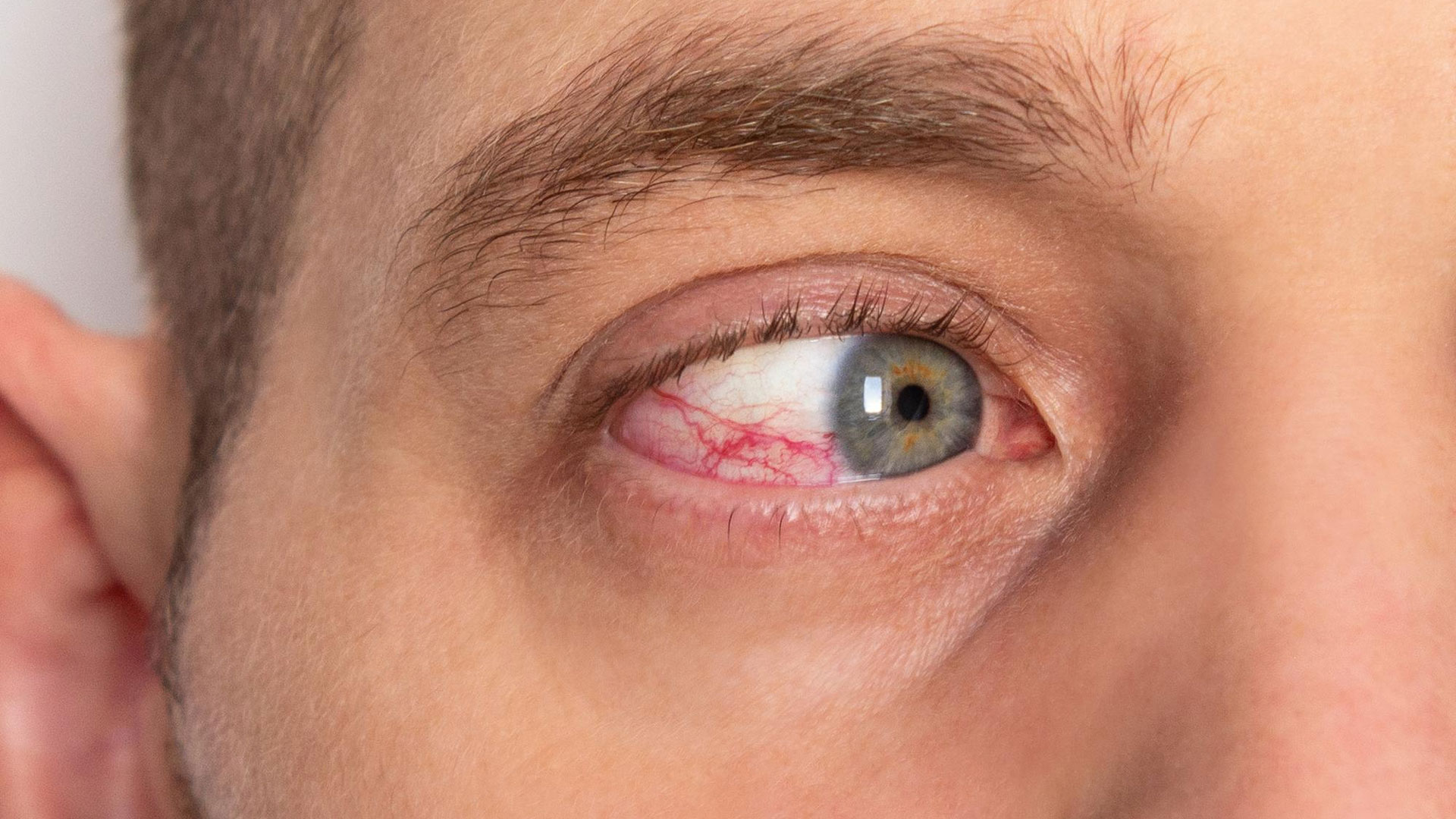
As we get older, our bodies change in many ways, and one of those changes can be having dry eyes. It’s a condition more common in seniors or in those who frequently use contact lenses.
Note: Medical conditions that affect tear production include Sjögren’s syndrome and Keratoconjunctivitis sicca.
When you have dry eyes, it means your tear ducts aren’t making enough tears, or the tears are evaporating too quickly. This can lead to discomfort, and yes, it can also make crying a challenge.
Physical Health Issues
Certain health issues can also be the culprit. People with diabetes, for example, might find that their eyes are drier than usual. The same goes for those dealing with thyroid problems, which can affect many parts of the body, including tear production.
And if you have rheumatoid arthritis, you might also experience dryness in the eyes because this condition can affect glands that help keep your eyes moist.
Medical Reasons
Some medications can affect your ability to cry. If you’re taking drugs for allergies, they could be drying out your eyes. Medicines for high blood pressure can have a similar effect.
So, if you’re on any medications and notice a change in how often you can cry, it might be worth talking to a doctor or pharmacist about it.
Emotional Reasons Can Also Affect Your Ability To Cry
Emotions and emotional health can also make it difficult to cry. Here are some examples:
Melancholic Depression
Someone experiencing melancholic depression might struggle to cry. This type of depression is a major depressive disorder that can make a person feel as though their emotions are switched off.
It’s not that they don’t feel anything; it’s more like their inner world is so heavy and numb that the usual response of crying just doesn’t happen.
Mental Illness

You may not be able to cry if you suffer from certain mental health conditions, such as schizoaffective disorder or bipolar disorder. They can make your emotions feel flat.
Repressed Emotions
Additionally, our society often has rules about when and how it’s okay to express your emotions. Some individuals, especially if they’ve been told that crying is a sign of weakness, might push their tears away.
Over time, this behavior can become a habit. Eventually, they might find that they don’t even have to try to hold back tears—they simply don’t feel the urge to cry anymore.
Anhedonia
Anhedonia is a condition in which a person loses interest in everything they used to be interested in. They do not get any joy or pleasure out of the things they enjoy doing. The lack of emotions means that they are unable to cry.
How the World Around Us Affects Crying
Have you ever noticed that sometimes it seems harder to cry, or your eyes feel dry? Well, it turns out, where we live and the environment we’re in can play a big role in this. Let’s dive into how different conditions around us can impact our tears.
Dealing with Dryness
In dry places, air doesn’t have much moisture. In these areas, our tears might evaporate much quicker than usual.
This can make our eyes feel scratchy and uncomfortable, and it might seem like crying is a bit tougher because the tears just aren’t there!
Wind’s Whipping Effect
Wind blowing can make our eyes dry out faster, too. It can be a big reason why our eyes don’t stay as wet, making it hard to shed tears.
Smoke in the Air
Smoke can irritate our eyes. When there are things like wildfires, the air gets filled with smoke, which can hurt our eyes and make them dry.
This isn’t just uncomfortable—it can also stop our eyes from making tears properly, which means even if we feel like crying, we might not be able to.
Why People Need To Cry

Crying can be good for you. Here’s why you don’t always need to hold back your tears:
Eye Cleaners: Crying creates tears, which wash away any dirt or dust that shouldn’t be there.
Lightening the Mood: A good cry can help you feel a little lighter in times of stress. It can reset your mood and help you focus.
Pain Relief: Crying can bring a sense of relief, helping ease physical and mental pain.
Communication: Crying is a way of wordless communication. It can show others that we’re having a tough time.
Expressing Emotions Safely
It’s okay if you don’t cry often, but it’s also important to pay attention to what you’re feeling inside. It’s completely normal to have feelings, and it’s important to know how to let them out in a safe way.
Find a Safe Space
To manage these bubbly emotions, find a quiet spot where you can be alone. This could be your room, a cozy corner of the library, or even a peaceful park.
Places where you feel comfortable and safe are the best spots to sit down, breathe, and let your feelings flow.
Talking to Someone You Know
After you’ve had some time to yourself and you’ve given your emotions some air to breathe, you might decide you’re ready to share them.
Picking the right person to talk to is key. This person could be someone in your family, like a parent or sibling, or a friend who always knows how to listen.
Writing Them Down
One way to get more in touch with your emotions is by writing them down. Keep a journal and make it a daily habit to jot down what you felt throughout the day. Don’t worry about spelling or grammar; just let your thoughts flow.
Therapy Can Help
Understanding and sharing your emotions isn’t always easy. If you find it difficult to let your tears out or you’re struggling to grasp your feelings, it might be a good time to talk to a mental health professional.
Therapists can provide a safe space where you can speak freely without judgment. They use their skills to help you explore your emotions deeply.
Sometimes, when feelings are bottled up, they can lead to stress or even make us feel sick. Sharing your feelings with someone can make you feel lighter.
Everyone Is Different
Remember, all of us are different. Some people cry easily, and some don’t. That’s totally normal.
It’s to understand your emotional health, and express your feelings in a way that’s right for you.