
If you ask yourself, “Why do I hate the way I look?’ you are absolutely not alone. A lot of people think the way you do, and it can impact mental health severely.
Dive into this article and uncover the psychology behind this thought process!
What Influences How We See Ourselves?
Many of us have a picture in our minds of what we should look like and it’s often influenced by the world around us.
Celebrities
Celebrities and public figures who often have a very slim appearance can set a standard for beauty that feels hard to match. This can lead to the belief that being thin is the only way to be considered attractive.
For boys, there’s pressure to be tall and muscular, while girls might feel the need to be extremely thin. These standards are shaped by what we see and hear every day.
Movies and TV Shows
Let’s talk about movies and TV shows. They tend to showcase people who fit a certain image – often unrealistic – that can make us think we need to look the same way.
When our favorite characters are portrayed in a particular light, it can influence how we view ourselves.
Social Media
Additionally, social media plays a big role in our self-perception. With the constant stream of photos and videos, it’s easy to compare ourselves to others and feel like we don’t measure up.
Society
Culture and society also contribute to how we see ourselves. Different cultures around the world have their own ideas of what’s considered beautiful or desirable.
These cultural standards can impact people from a young age, shaping their views on body image and self-worth.
Why You May Not Like To Pose For Pictures
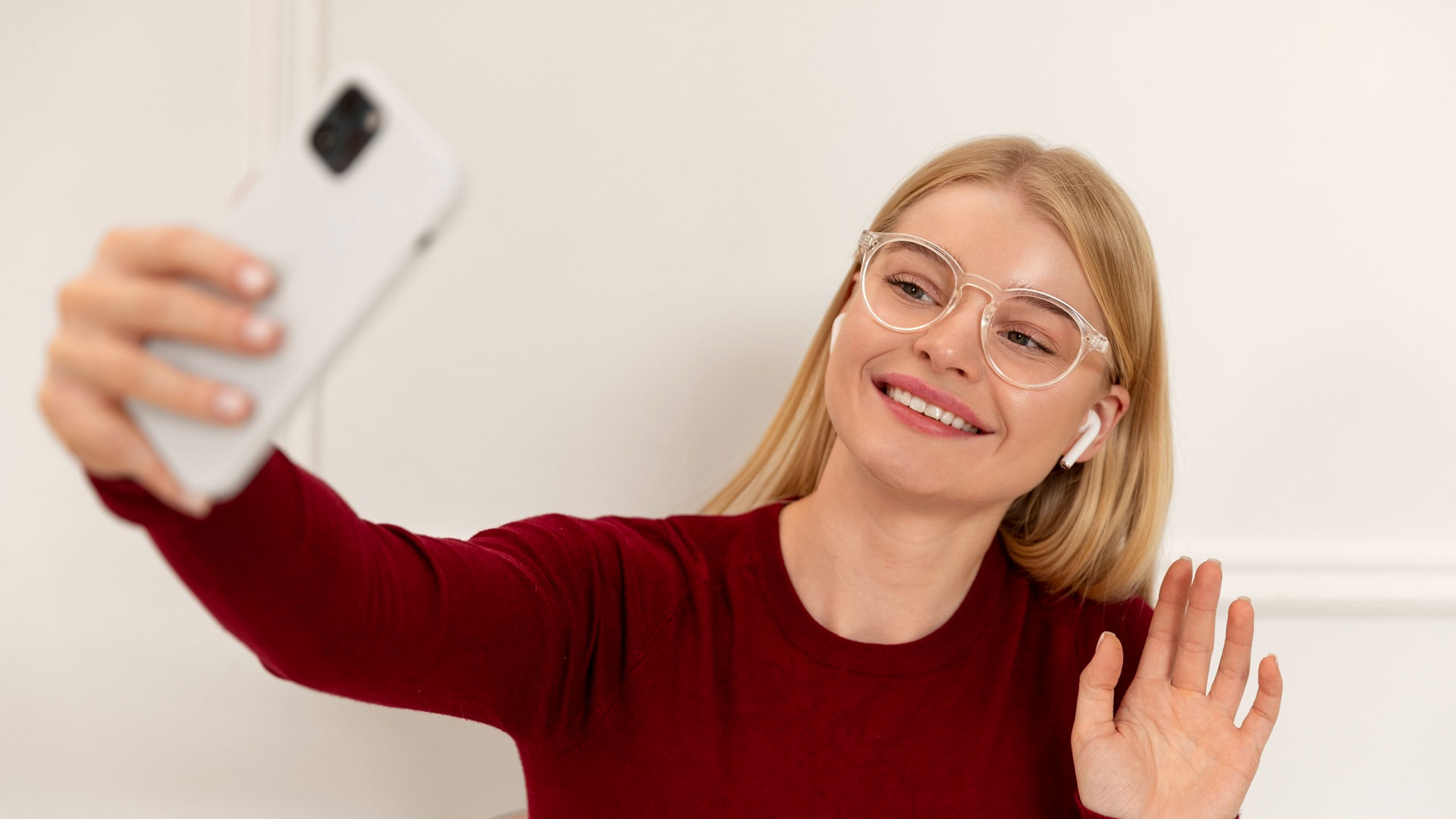
Most people tend to dislike seeing themselves in pictures. That’s why you may feel reluctant in taking selfies or you think you never look good in photos.
There are two psychological phenomena that explain why we may feel different looking at ourselves in pictures than what we see in the mirror. Here they are:
Self-Enhancement Bias
We think of ourselves as looking better than we actually do. According to a 2008 study, participants chose edited pictures of themselves when asked to identify the real picture (of how they looked).
When researchers asked other people to identify the real pictures, they consistently chose the unedited images. This shows that our own image is manipulated in our minds.
Mere-Exposure Effect
According to the Mere Exposure Effect, people react better to things they see more often. Since we don’t see ourselves so often (as compared to other people in our lives), we tend to be more critical of our flaws.
This is why we do not like posing for the camera, or joining in for that group selfie. We are reluctant to see what we really look like.
It’s Not Just About Your Whole Look
Sometimes, it’s not about how we look from head to toe. Maybe there’s just one thing, like our nose or our teeth, that we’re not happy with. Feeling insecure about a specific part of our appearance (such as facial features) is a common experience.
For instance, someone might have a scar or a birthmark that they notice every time they look in the mirror. Even though others might not see it, to them, it feels like it’s the only thing visible.
Research tells us that during our teenage years, we often start paying more attention to our looks. This is because our bodies go through a lot of changes, and we start to wonder how others see us. It can affect our self-esteem.
When Hating The Way You Look Is Really Serious
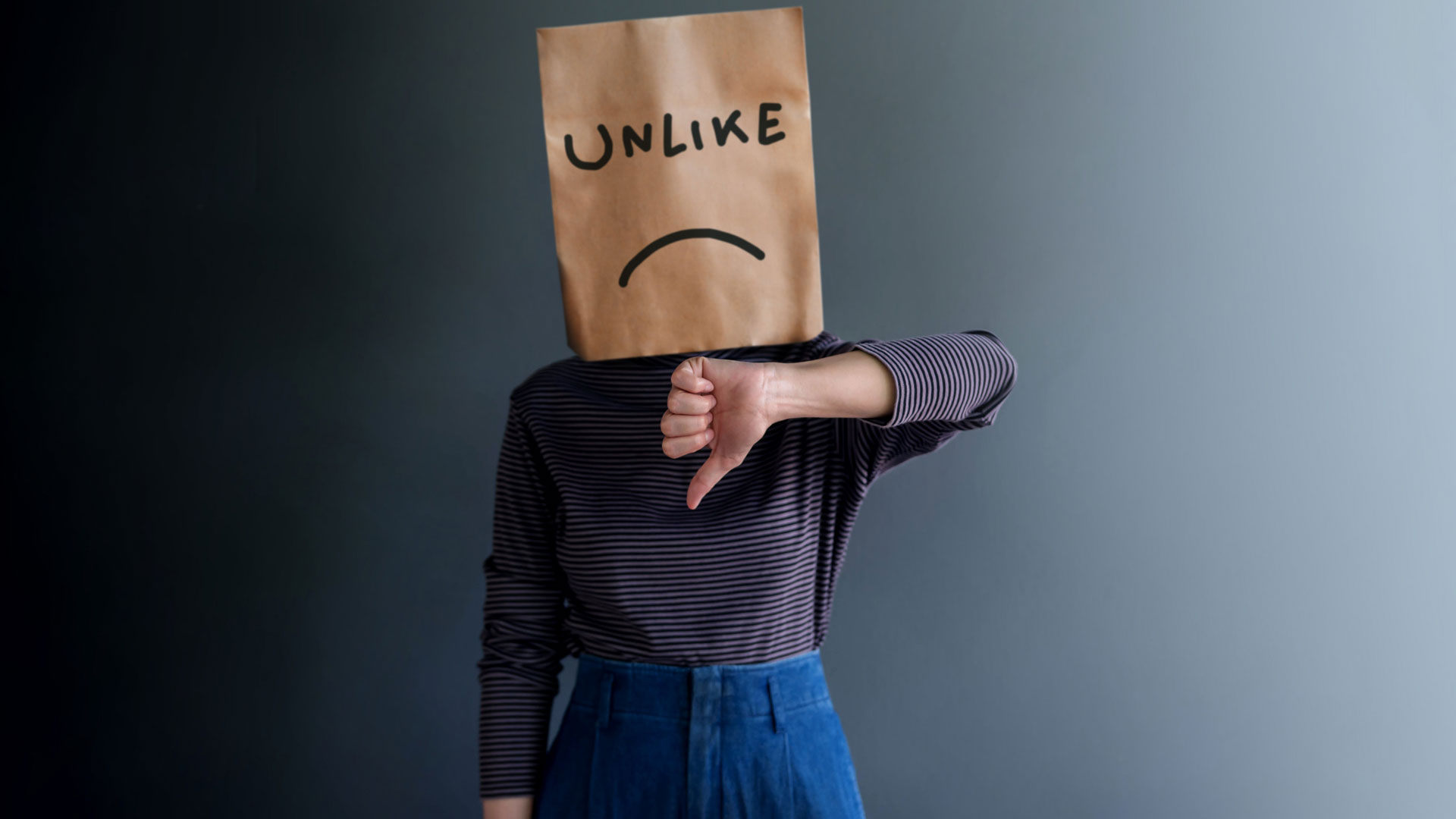
It’s normal to have days when you don’t feel great about how you look. A lot of people can relate to that. However, for some, this feeling is intense and constant.
They might spend hours trying to cover up what they see as imperfections, or they could be constantly comparing themselves to friends, celebrities, or people on social media.
This kind of worry can be so overwhelming that it makes it hard to focus on anything else. When these concerns become all-consuming, it could be a sign of a psychological condition known as Body Dysmorphic Disorder (BDD).
Body Dysmorphic Disorder
BDD is a mental health issue where a person can’t stop thinking about one or more perceived defects or flaws in their appearance. These flaws are often unnoticeable to others. However, to someone with BDD, they can feel so real and prominent that they can’t see themselves in any other way.
People with BDD might engage in behaviors such as excessive grooming, skin picking, or even seeking out plastic surgeries in an attempt to “fix” their perceived flaws. But these actions don’t ease the worry, and often, they feel even worse after.
Treatment
Understanding that BDD is a real and treatable condition is crucial. If you or someone you know is showing signs of BDD, reaching out to a trusted healthcare professional is an important first step.
Treatment usually involves therapy, and sometimes medication, to help manage the symptoms. With the right support, it’s possible to overcome the negative thoughts and start seeing yourself in a healthier, more positive light.
Eating Disorders and Body Image
Many people spend a lot of time thinking about their weight and what they eat. This is normal to some extent, but sometimes it can become a big problem.
When someone is too focused on their body shape and food, it might be a sign of an eating disorder, such as anorexia or bulimia.
Anorexia
Anorexia is when a person doesn’t eat enough because they want to be very thin, even if they are already at a healthy weight or underweight. This can make them very sick because their body isn’t getting the nutrients it needs to work properly.
Bulimia
Bulimia is when someone eats a lot of food in a short time and then does things like vomiting or exercising too much to try to stop themselves from gaining weight. This is also very harmful to the body and can cause a lot of distress.
Seeking Help
If you notice that you or someone you care about is struggling with eating habits or feeling unhappy about their body, it’s crucial to seek help. Talking to a doctor or psychologist can make a big difference.
They are professionals who understand these problems and can provide the support and treatment needed to get better.
Focusing on Being Healthy
It’s okay to want to be healthy and to pay attention to what we eat. But it’s also important to have a balanced view of food and body image.
This means eating a variety of foods, not being too hard on ourselves about our body shape, and understanding that everyone’s body is different, and that’s totally fine.
We should focus on being healthy and happy, rather than just thin or looking a certain way. Wellness is important.
Getting Help and Feeling Better
If you’re feeling down about the way you look, remember that you’re not alone, and there are ways to feel better.
Talking to someone who knows a lot about these feelings, like a therapist, can help you understand why you feel this way and how to start loving yourself just the way you are.